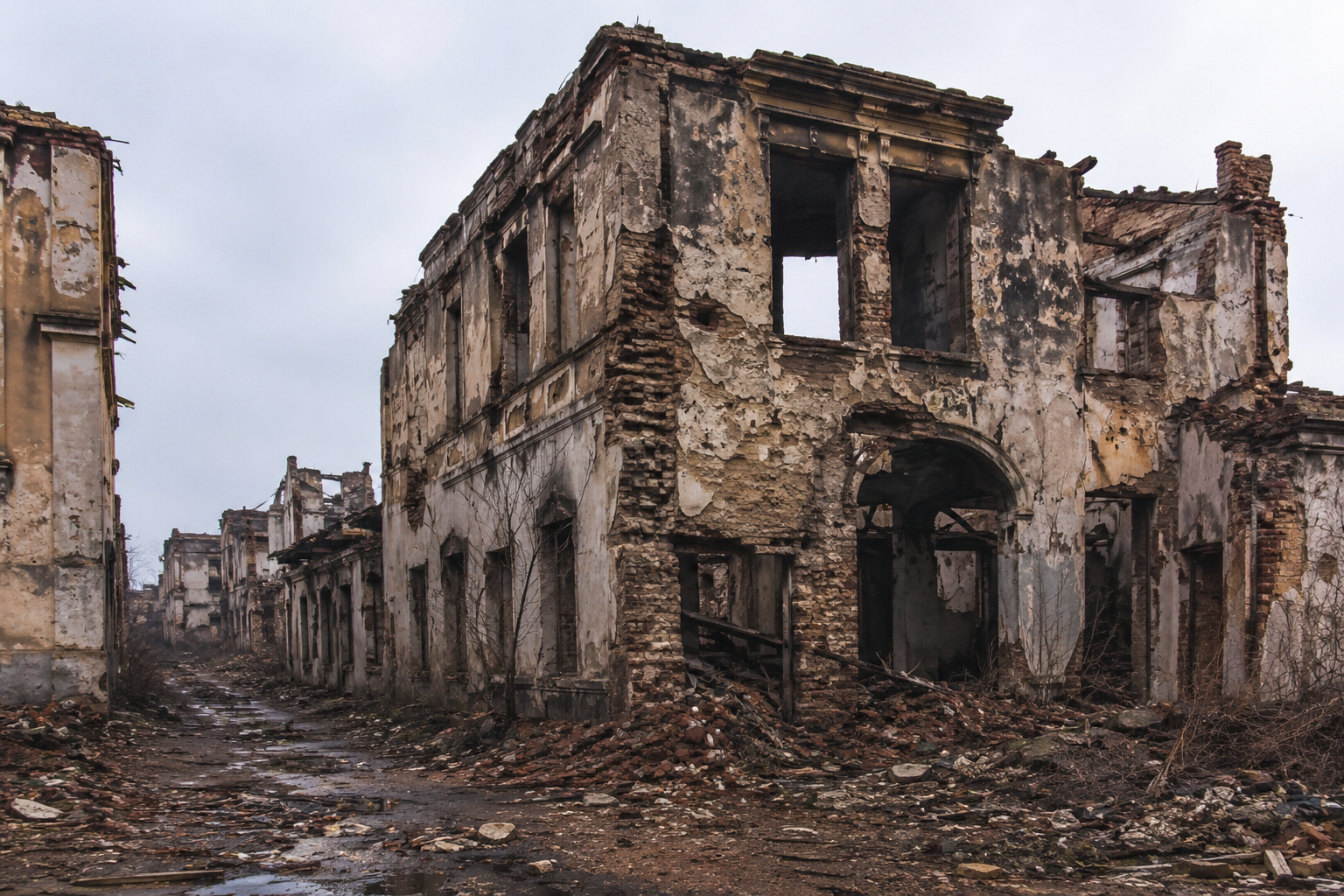
Every generation believes its maps are permanent.
Every generation is wrong.
Long ago, families packed what little they owned and walked roads they did not choose.
Some traveled because governments demanded registration.
Some traveled because armies marched.
Some traveled because crops failed.
Some traveled because staying meant death.
A young mother once traveled while carrying a child not yet born. Her family obeyed a decree requiring people to return and be counted. The journey was difficult. The destination crowded. Yet history remembers the child far more than it remembers the officials who ordered the census.
The officials believed they were counting people.
History was quietly counting something else.
It was counting stories.
For thousands of years, people have crossed borders, rivers, mountains, deserts, and oceans.
Some arrived by invitation.
Some arrived by conquest.
Some arrived in chains.
Some arrived seeking opportunity.
Some arrived seeking safety.
Most arrived carrying memories.
And memories are fragile things.
When a people move, they often leave more than homes behind.
They leave graveyards.
Family records.
Songs.
Recipes.
Stories.
Languages.
Sometimes entire histories vanish.
A flood washes away a settlement.
A war burns archives.
A government changes names.
A new ruler redraws maps.
A future historian finds a few broken fragments and attempts to reconstruct what happened.
Sometimes they succeed.
Sometimes they merely create a story that sounds reasonable.
The difference between truth and explanation is often much larger than we admit.
Many ancient peoples disappeared so completely that all that remains are foundations beneath the soil and a few scattered bones.
The names they called themselves are lost.
The names of their children are lost.
The sound of their laughter is lost.
Yet someone eventually writes a chapter explaining who they were.
Sometimes those chapters tell us more about the historian than the people being studied.
Nature keeps similar secrets.
Entire forests once covered lands now occupied by roads and cities.
Birds filled skies that have fallen silent.
Animals walked landscapes that no longer remember their footprints.
Plants vanished before anyone recorded their medicinal uses.
Species disappeared carrying knowledge that died with them.
The earth itself contains forgotten histories.
A tree cut down today may have begun growing before nations existed.
A buried seed may remember a climate no living person has seen.
A river may flow across the graves of civilizations whose names have been erased.
Perhaps that is why separation wounds us so deeply.
We sense, even if only unconsciously, that every separation risks becoming a forgetting.
A family divided.
A language abandoned.
A homeland left behind.
A cemetery bulldozed.
An old photograph misplaced.
A story untold.
Each loss appears small.
Yet history is built from countless small losses.
And so the question remains.
When future generations study our age, what will they know?
Will they understand why people moved?
Why families separated?
Why neighbors feared one another?
Why some crossed borders and others built them?
Or will they inherit only fragments and create explanations that make sense to them?
History is often described as a record of the past.
But perhaps it is better understood as a collection of surviving memories.
The rest has already been carried away by wind, water, time, and silence.
And somewhere beneath our feet lie the forgotten gardens, forgotten animals, forgotten people, and forgotten stories of those who once believed their world would last forever.
Just as we do now.
Leave a Reply