West Virginia, 1890s — a sealed tunnel, a deadly blast, and a whistle that never stopped.
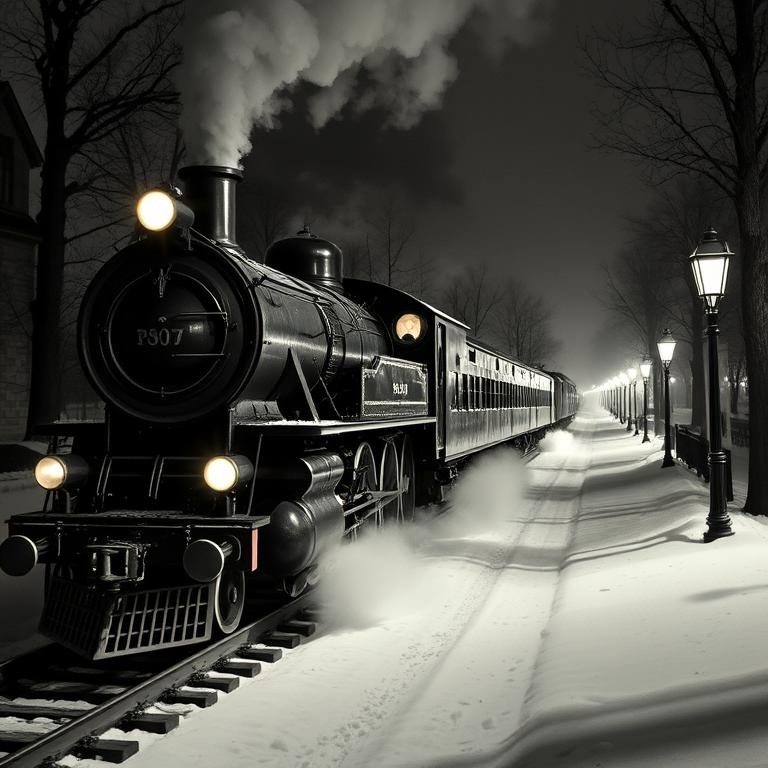
The first time they heard it, the tunnel had already been closed for months.
Mud Lick Tunnel was cut into the Appalachian hills in 1892, carved by men swinging hammers in dim lantern light. The work was brutal — wet rock, black powder smoke, and heat that steamed from the earth like breath. Yet the pay was steady, and the new railroad promised a fortune for the region.
On an autumn afternoon, a blast to widen the bore went wrong. A miscalculation, some said; a curse, muttered others. The tunnel collapsed. Dozens of men were trapped inside.
The Rescue That Failed
For three days, rescuers dug with pick and shovel, listening for voices in the dark. On the first day, they swore they heard pounding on the stone, faint but frantic. By the third, there was only silence.
When the last barrier was cleared, rescuers entered with torches. Inside, they found the men’s bodies, crushed or suffocated. Their lanterns had burned out hours before. The smell of oil and charred powder clung to the air.
Among the dead was a foreman named Thomas “Red” McCaffrey, known for his red beard and booming laugh. He’d been last seen standing at the tunnel mouth, waving his hat as he signaled for the blast. His body was found near the front of the line, his arm outstretched toward daylight he never reached.
The company sealed Mud Lick Tunnel. Too much damage. Too much cost.
The First Whistle
Winter came, and with it, snow on the hills. A farmer passing the site one evening heard the unmistakable cry of a train whistle echoing from the tunnel’s mouth. He saw no locomotive, no lanterns, just darkness yawning from the hillside.
He told his neighbors. They laughed, said wind played tricks. But a week later, a crewman riding a freight line nearby claimed he saw lanterns flickering inside the sealed tunnel — and a man with a red beard waving a signal flag.
The Folklore
By spring, the tunnel was already legend. Locals said they heard the whistle every month on the date of the explosion. Some swore the tunnel glowed faintly at night, as though lit from within by coal lanterns.
One hunter told of seeing men’s shadows moving on the hillside — bent figures with picks on their shoulders, trudging in a line. Another man claimed he followed the sound of hammering and found himself standing before the tunnel, its stone seal cold and damp, as if freshly laid.
Children dared each other to lay a coin at the tunnel mouth. They said if it vanished overnight, the spirits had taken payment for safe passage.
The Company’s Silence
Railroad officials denied the stories. They posted guards for a time to stop trespassers. Yet even the guards whispered. One wrote in a letter that he had heard voices on a foggy night — men speaking in Irish and Italian, languages common among the laborers. He swore he smelled smoke and sweat, though the hillside was cold as iron.
After that, the guards stopped patrolling.
The Aftermath
Mud Lick Tunnel fell into ruin, vines crawling over the stone plug. The rails leading to it were torn up, and the path became a hunting trail. Yet the stories stayed. Locals say a man walking the trail at dusk might hear footsteps behind him, pacing his own. Some have fled after seeing a lantern swinging in the distance, moving closer though no hand carried it.
Unresolved
Skeptics call it wind through the hills, or echoes of a whistle carried from miles away. Believers say the men of Mud Lick never left, their last shift eternal.
And on certain nights, when fog coils low over the tracks that remain, the sound of a locomotive rolling through the hills will make even the most skeptical pause. For no train runs that route anymore.
 Wicked Grim Stories
Leave a comment