Arizona Territory, late 1800s — gold, murder, and a mountain range that keeps its secrets.
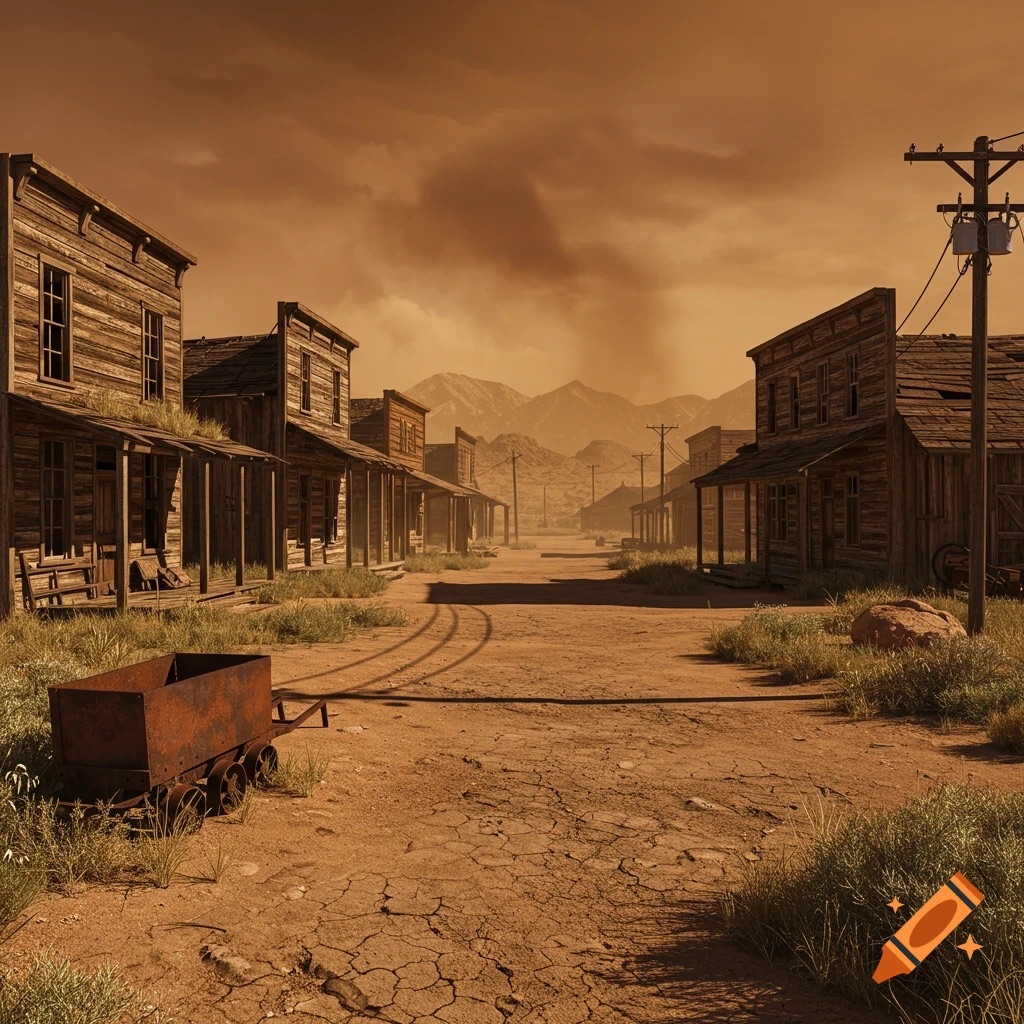
They say the Superstition Mountains got their name for a reason.
By the late 1800s, Arizona Territory was full of tales of hidden veins of gold, but none stirred the imagination like the story of Jacob Waltz — the “Dutchman” (actually a German immigrant) whose mysterious mine has lured treasure hunters to their deaths for more than a century.
Waltz came west in the mid-1800s, working claims and odd jobs. He was quiet, solitary, and when he spoke, it was often about “his” mine, somewhere in the rugged, red canyons east of Phoenix. He hinted it was rich beyond measure, an ancient gold deposit discovered long before white settlers came. Waltz never revealed its location.
When he died in 1891, a box was found under his bed. Inside was a cloth sack filled with ore so pure it shocked assayers. And with that, the legend grew teeth.
The Clues
Rumors spread that Waltz had left cryptic maps, stories, and landmarks: a rock shaped like a weeping woman, a trail of “needle’s eye” caves, a hidden spring. Some said the mine was a cache of Apache gold, hidden during their wars with settlers. Others claimed it had been cursed by its original guardians.
Men combed the mountains with those clues, but the Superstitions are a labyrinth: sheer cliffs, thorn-choked canyons, and searing heat by day, bitter cold by night. Many who sought the mine never returned.
The Bodies
In 1895, two prospectors were found dead near Weaver’s Needle, a towering rock spire at the heart of the range. One had been shot in the back. The other’s skull was crushed. Their supplies were intact.
In 1910, a prospector named Adolph Ruth disappeared while searching for the mine. His skull was found months later, a bullet hole between the eyes. A map was discovered in his pack, with a crude sketch of the mountains and a note: “Veni, Vidi, Vici.”
Some treasure hunters claimed they’d been warned to leave by mysterious men, or heard whispers in the night.
The Folklore
The Apache people had long avoided parts of the Superstitions, calling them sacred. They told of caves where spirits dwelled and said those who disturbed the land would never return.
White settlers twisted those warnings into ghost stories. By the 1920s, the mine was called cursed. Hunters spoke of seeing blue lights dancing over canyon ridges, or hearing faint pickaxes striking stone in the dark.
The Modern Curse
Even today, the Superstition Mountains claim lives. Hikers vanish each year, some experienced, some foolish, all drawn by the legend of easy gold. Search parties often find only boots, a torn backpack, or nothing at all.
The Lost Dutchman State Park near Apache Junction is a gateway for thousands of visitors, yet rangers warn them: the mountains are no joke. Heat kills faster than bullets. The trails twist like a maze, and storms rise without warning.
The Treasure Hunters
Despite the danger, seekers still come, lured by whispers of the richest gold vein in North America. They pore over Waltz’s supposed clues:
“From my mine, you can see Weaver’s Needle… follow the trail of the soldier’s tomb… cross the shadow at noon…”
None of them have proven true. Or if they have, no one has lived to tell it.
Unresolved
The Lost Dutchman’s Mine may be nothing more than a legend born of greed and frontier lore. Or it may be real — a fortune hidden in a canyon that refuses to give it up.
What is certain is that the Superstition Mountains live up to their name. Even in daylight, their cliffs brood over the desert like guardians. At night, under a silver moon, they look alive.
Some say if you camp there, you’ll hear a pickaxe echoing through the rocks. Others swear that Waltz himself walks the trails, his lantern flickering, leading the bold — or the foolish — deeper into the dark.
 Wicked Grim Stories
Leave a comment