England, 1876 — a poisoned man, a silent household, and questions that lingered long after the last bell tolled.
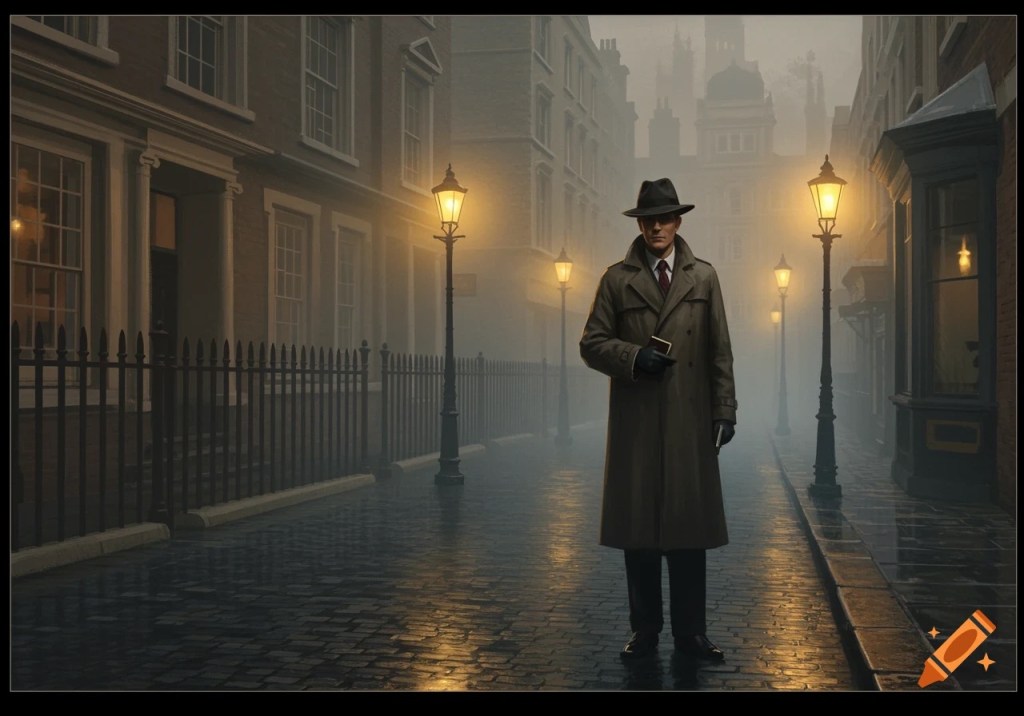
The young barrister should have been safe in his grand home.
Balham, London, was a rising neighborhood in 1876, home to elegant villas and ambitious families. Charles Bravo, thirty years old and newly married, seemed destined for success. He had wealth, a prestigious career, and a wife, Florence, whose beauty turned heads in drawing rooms. Yet beneath the polished veneer, the couple’s marriage was strained, their household tense, and their secrets festering.
On the evening of April 18, servants heard cries from upstairs: Charles Bravo was in agony.
The Poisoning
Bravo staggered into his bedroom, clutching his stomach, and collapsed. He told Florence he had taken a “dose of medicine” for toothache. Within hours, violent convulsions wracked his body. Doctors were summoned, but nothing they administered eased his pain.
Two days later, Charles Bravo was dead. The autopsy revealed antimony poisoning — a slow, cruel toxin often used to kill rats, but easy to slip into a glass of wine.
Who had poisoned him?
The Household
The Bravo residence held five people the night of his death: Charles, Florence, Florence’s elderly companion Mrs. Cox, and two servants. Each would come under suspicion.
• Florence Bravo was glamorous but troubled. Widowed once before, she had a reputation for defiance in a society that demanded obedience. She had also been romantically linked to a prominent doctor, James Gully, much older than she.
• Mrs. Jane Cox, Florence’s companion, was fiercely loyal but nervous. She had served Florence for years and was deeply attached to her mistress.
• The two servants, in Victorian fashion, lived largely in the shadows, but detectives noted their uneasy behavior during questioning.
Everyone in the house denied poisoning Charles.
The Inquest
The case became a sensation, splashed across London papers as “The Balham Mystery.” Reporters speculated about infidelity, revenge, and money. The inquest revealed a marriage in turmoil: Charles was controlling, Florence unhappy, and the household divided.
Dr. Gully’s name was dragged into scandal. The newspapers whispered about Florence’s alleged affair with him, though both denied wrongdoing.
The jury returned a verdict of “Murder by person or persons unknown.” No one was charged.
The Theories
Some believed Florence herself killed Charles, driven by abuse and jealousy. Others thought Mrs. Cox, loyal to Florence, acted to protect her friend. A few suspected suicide — that Charles had poisoned himself, either intentionally or by mishandling medicine.
But evidence contradicted each theory. The poison was carefully measured, suggesting planning. The household’s silence — and their shifting testimonies — only deepened the mystery.
The Folklore
Victorian London was fascinated. The Bravo case symbolized the cracks in high society: the pressures of status, marriage, and reputation. Spiritualists claimed Charles’s restless spirit haunted the Balham villa, pacing the halls at night. Servants whispered that Florence was cursed, that death followed her from her first marriage into this one.
In time, the house earned a dark reputation. Neighbors avoided it after sunset.
The Aftermath
Florence Bravo’s life unraveled. Shunned by society and plagued by rumors, she retreated from public life. She died just two years later at age thirty-three, reportedly from alcoholism. Mrs. Cox vanished from history, her name buried under suspicion.
Charles Bravo’s murder remained unsolved. The case faded from headlines but never from fascination; criminologists still study it as one of Victorian England’s great mysteries.
Unresolved
Who killed Charles Bravo? Was it Florence, Mrs. Cox, a servant, or Charles himself? No one will ever know. The poison worked too well, silencing more than one voice that night.
And some say that if you walk past Balham’s old villas on a foggy evening, you may hear footsteps behind you — soft, measured, like a barrister pacing before a trial he never won.
 Wicked Grim Stories
Leave a comment