Cahaba, Alabama — the state’s first capital, abandoned to floods and whispers.
Cahaba is a city that died but never left.
Founded in 1819, Cahaba was Alabama’s first capital, a bustling river town at the meeting of the Cahaba and Alabama Rivers. Steamboats lined its docks, politicians filled its streets, and churches rang their bells over cotton-laden warehouses. But the rivers that made Cahaba thrive also drowned it. Floods turned streets to swamps, and by the 1880s, the town was nearly abandoned.
Today, only ruins remain — brick chimneys standing like gravestones, moss-covered cisterns, and crumbling cemeteries. The wind through its empty streets carries more than just the sound of leaves.
The Slave Cemetery
One of Cahaba’s most haunted sites is its slave cemetery, a clearing in the woods marked by sunken graves. Locals say at night, a blue orb of light drifts between the headstones. Some believe it’s the spirit of a woman buried there, a conjure woman or healer whose powers frightened slaveowners but gave hope to her people.
Stories passed down say she cursed those who harmed her family, and that even death couldn’t silence her. Visitors to the cemetery often feel watched — some leave offerings of flowers, coins, or herbs, afraid to anger her spirit.
The Lantern in the Garden
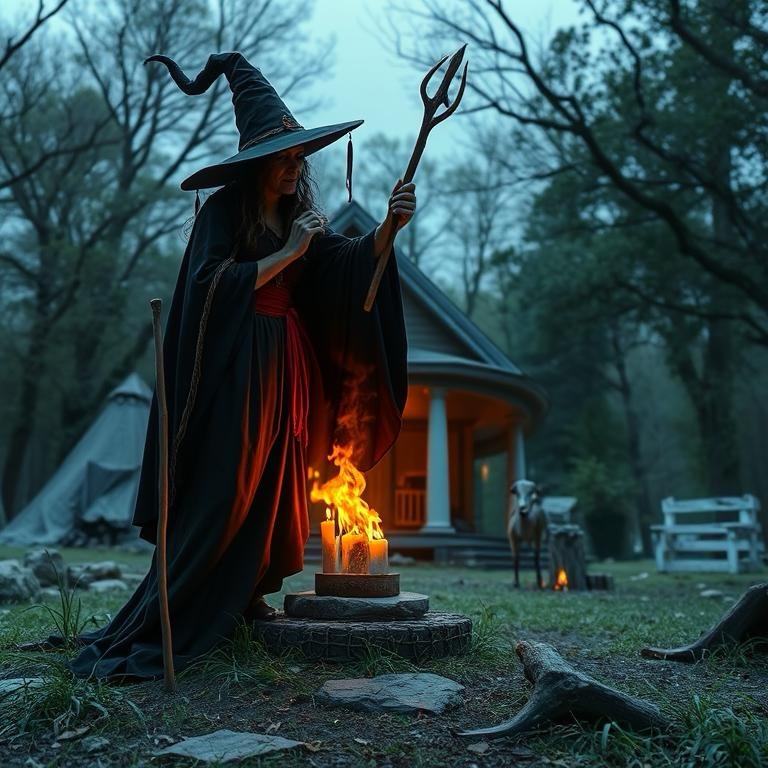
In another corner of town lies an abandoned garden maze. Once the pride of a wealthy family, it is now overgrown, its paths choked with vines. Legend says a witch was buried here, and her restless spirit walks the maze at night, carrying a glowing lantern.
Those who have tried to follow the light claim it leads them deeper into the ruins until they’re completely lost. One man reported wandering for hours, only to stumble back to his car at dawn with no memory of the path he took.
The Civil War Prison
During the Civil War, Cahaba was home to one of the largest Confederate prison camps. Thousands of Union soldiers were crammed into makeshift barracks, suffering disease and starvation. After a massive flood, prisoners were forced to wade through rising waters, and some drowned before they could escape.
Visitors to the site of the prison say they can hear coughing and cries in the mist. Paranormal investigators have recorded voices in accents from the 1800s, calling for help.
A Town That Refuses to Die
By the early 20th century, Cahaba was a ghost town, its buildings reclaimed by the swamp. Yet even as nature swallowed it, stories of glowing lights, disembodied voices, and shadowy figures grew stronger. Locals say Cahaba doesn’t feel empty — it feels occupied.
Some visitors report hearing church bells ring on foggy mornings, though no functioning bell has hung in Cahaba for more than a century.
The Witch’s Warning
The legend of Cahaba’s witch remains its most enduring tale. People believe she protects the cemetery and the ruins, and that she punishes those who come with disrespect. Hunters tell of rifles jamming inexplicably near her resting place, and ghost hunters often find their equipment drained of power when they approach her grave.
One woman swears she saw the witch standing in the mist, holding a lantern, her face obscured by a veil. The apparition pointed toward the road, and the woman left immediately — convinced she’d been warned away.
Unresolved
Cahaba is more than a ghost town; it’s a graveyard of memories. Its ruins tell the story of wealth built on suffering, of war and floods, of a place too stubborn to vanish. The witch’s lantern, glowing in the darkness, is both a warning and a reminder: some spirits do not rest, and some towns never truly die.
Support the Author:
If you enjoyed this story, please consider sharing it and supporting future posts. Your encouragement keeps the worlds turning.
 Wicked Grim Stories
Leave a comment